The Right Fit: A Solution to Corrosion in the Metal Mining Industry
Corrosion poses a severe and costly threat to the metal mining industry, primarily due to the aggressive chemical environments inherent in mineral extraction. The combination of water and corrosive substances like mineral acids, bases, and salts rapidly degrades vital equipment. This accelerated deterioration significantly shortens the lifespan of mining machinery, moving from expected years of service to mere months in some cases. Consequently, mining operations face a surge in maintenance expenses and heightened safety risks as compromised equipment becomes prone to failure.
The rapid deterioration of materials, such as aluminium, within eight to ten months, rather than their intended lifespan, exemplifies the severity of this issue. This accelerated wear not only leads to increased maintenance but also creates potentially dangerous situations, particularly when critical safety devices, like conveyor belt pull rope switches, are affected. The inevitable increase in maintenance and the unforeseen downtime caused by equipment failure result in substantial losses in productivity and drive-up operational costs, as frequent component replacements become a necessity.
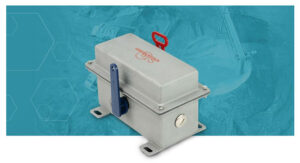
The Solution: Sitec Pull Rope Switches in Customised Stainless Steel Housings. Ensuring safety in conveyor systems, particularly in harsh mining environments, demands robust emergency stop mechanisms. Standard pull rope switches, often housed in aluminium or plastic, are susceptible to corrosion and rapid failure in these demanding conditions. To address this, Spohn and Burkhardt Sicherheitstechnik GmbH has engineered a superior solution: Sitec pull rope switches housed in custom stainless steel. This design specifically targets the corrosive challenges prevalent in mining operations, offering enhanced durability and reliability.
The key to their effectiveness lies in tailored material selection. Recognising the unique chemical profiles of each mine site, they analyse the specific acid composition and temperature ranges. This allows them to choose the optimal stainless-steel grade. For instance, AISI 304 is suitable for hydrochloric acid environments, while AISI 317 L is preferred for sulfuric acid exposure. This bespoke approach ensures each switch is perfectly matched to its operating environment.
Ultimately, this customisation significantly extends equipment lifespan, minimising downtime and reducing unplanned maintenance costs. By investing in these durable, site-specific solutions, mining operations can enhance safety and efficiency while mitigating the financial impact of equipment failure.